
Timber Flooring NZ
A complete guide to timber flooring in New Zealand — including engineered timber, solid wood floors, reclaimed options, performance considerations, and regional suitability.
Timber flooring remains one of New Zealand’s most specified floor finishes across residential, architectural, and select commercial projects. It’s chosen for warmth, durability, natural character, and long-term value — but performance depends on choosing the right construction for local conditions.
Today, Engineered Timber Flooring is the most common choice in NZ because it offers better stability over concrete slabs, improved tolerance to seasonal humidity shifts, and suitability for underfloor heating and coastal homes when specified correctly.
This comprehensive guide explains the different types of timber flooring available in NZ, how they perform in local conditions, what influences pricing and specification decisions, and how to select the right floor for your project. Whether you’re specifying for a residential build, renovating, or comparing flooring options, this guide outlines what performs best in New Zealand conditions.
What Is Timber Flooring?
Timber flooring refers to floorboards made from real wood. It may be constructed as solid timber throughout, or as engineered timber where a real wood wear layer is bonded to a structural core.
Unlike laminate or vinyl flooring, timber floors use natural hardwood as the visible surface. This results in authentic grain variation, tonal movement, and the ability to refinish certain constructions over time.
In New Zealand, timber flooring must be selected with climate variation, humidity movement, and subfloor construction in mind.
Types of Timber Flooring Used in New Zealand
Three primary categories of timber flooring are specified in NZ:
Engineered Timber Flooring
Engineered timber flooring consists of a real hardwood wear layer bonded to a multi-layer plywood or hardwood core. This construction improves dimensional stability and reduces seasonal movement.
It is the most widely specified timber flooring type in New Zealand and is commonly installed over concrete slabs, in apartments, and in homes with underfloor heating.
Learn more about construction and performance: Timber Flooring NZ.
Solid Timber Flooring
Solid timber flooring is manufactured from a single piece of hardwood throughout its thickness. It is traditionally installed over timber subfloors and fixed mechanically.
Because solid timber moves more significantly with moisture variation, it requires careful environmental control and installation detailing.
Reclaimed Timber Flooring
Reclaimed timber flooring is produced from salvaged hardwood. It is selected for character, environmental benefits, and aesthetic variation.
See options: Reclaimed Timber Flooring
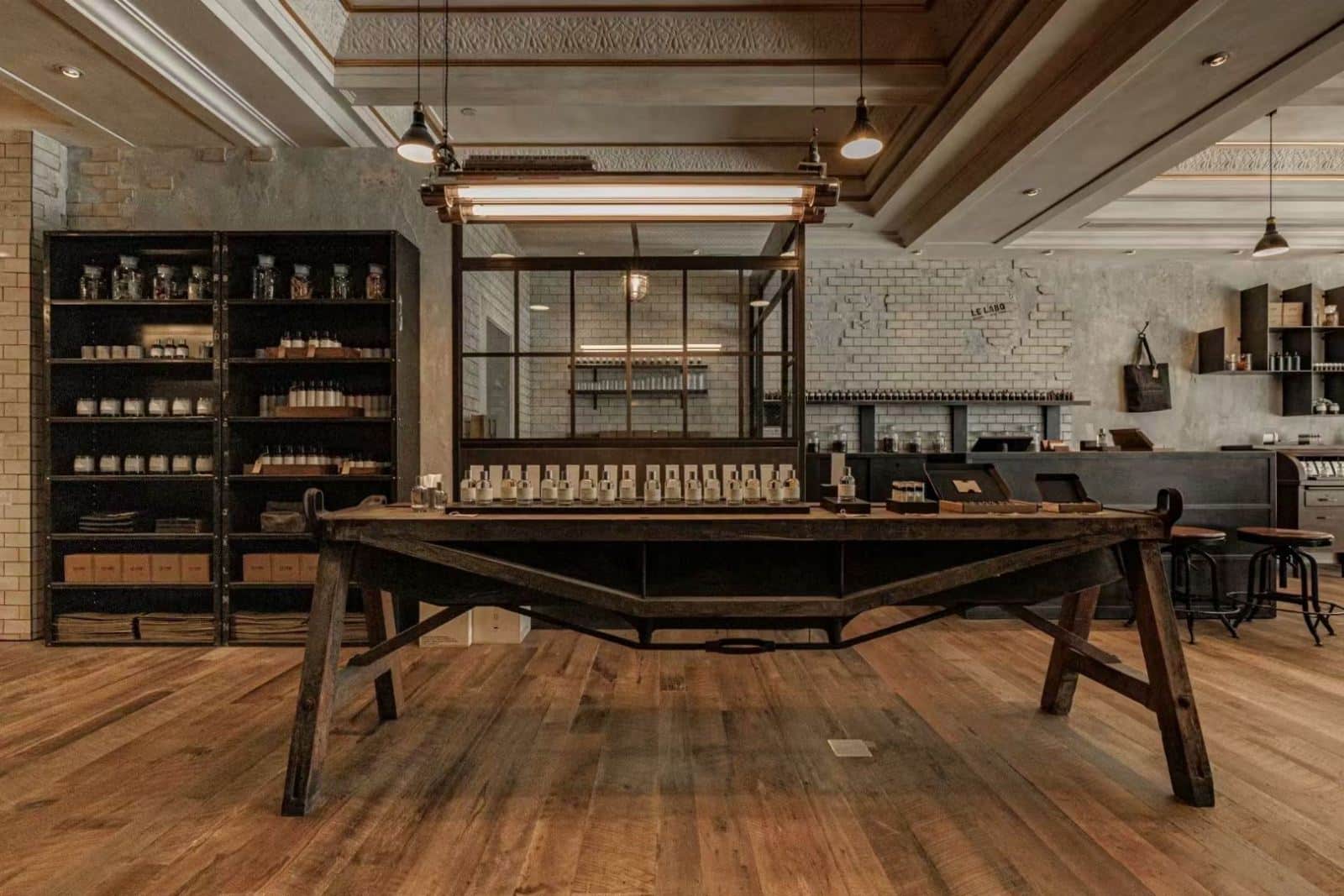
Timber Flooring and New Zealand Conditions
New Zealand’s climate varies considerably by region. Coastal humidity, seasonal moisture shifts, and temperature changes all influence timber floor performance.
Engineered timber flooring is typically preferred where:
- Concrete slabs are used
- Underfloor heating is installed
- Large glazed areas increase solar gain
- Coastal humidity is present
For best results, confirm slab moisture levels, allow for expansion gaps, and specify the correct installation method (floating vs glue-down) for the substrate, room size, and expected movement. These details matter as much as the timber itself.
Solid timber flooring may suit projects with timber subfloors and more controlled environments.
Common Timber Species Used for Flooring
European oak is the most commonly specified hardwood species for engineered timber flooring in New Zealand. It offers structural strength, neutral grain, and compatibility with a wide range of finishes.
Other species may be used depending on design intent and availability, though oak remains the dominant choice in architectural projects.
Explore: Engineered Oak Flooring
Finishes and Surface Treatments
The surface finish of timber flooring affects durability, sheen level, and maintenance requirements.
- UV-lacquered finishes for durability
- Oiled finishes for a natural appearance
- Brushed and textured surfaces
- Smoked or reactive colour treatments
Finish selection should align with traffic levels, maintenance expectations, and project design goals.
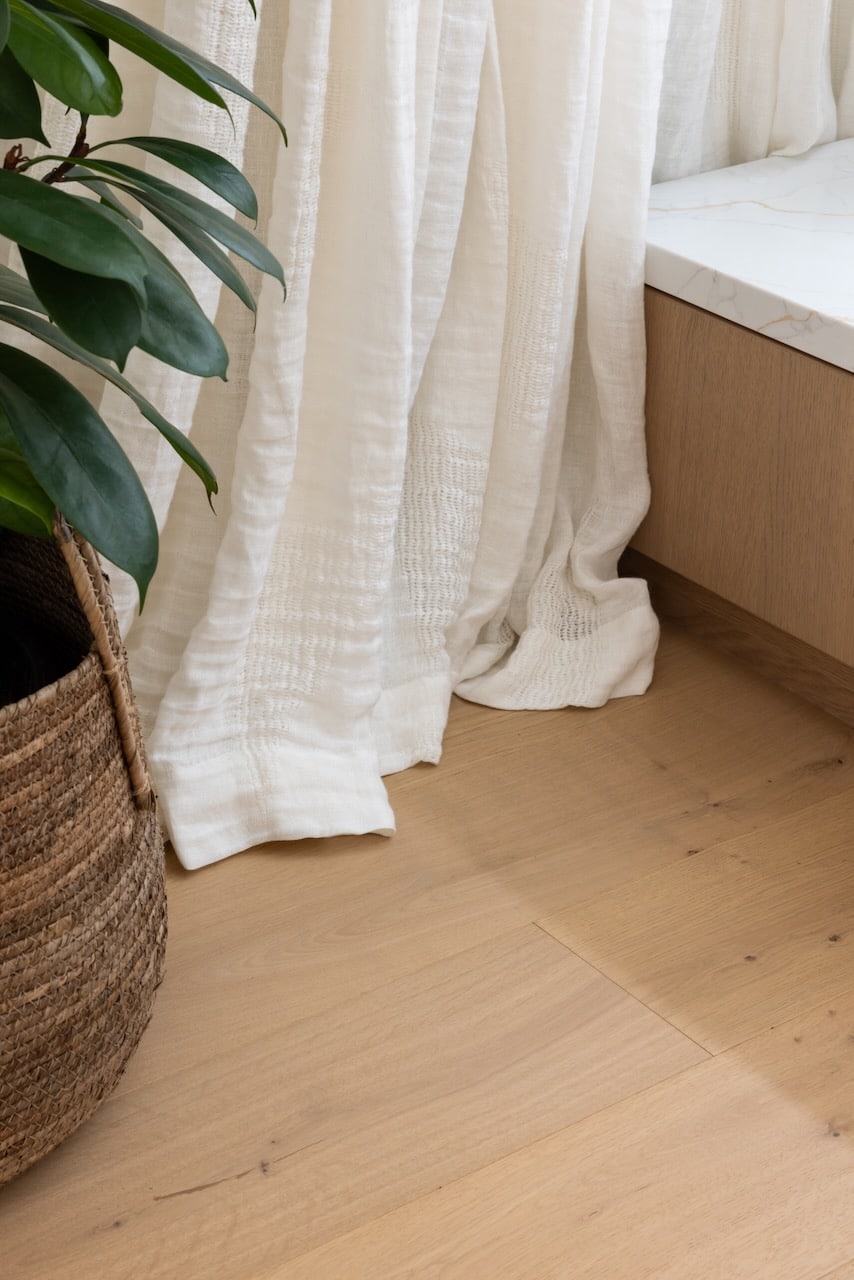

Installation and Performance Considerations
The long-term performance of timber flooring depends on correct product selection, site conditions, and installation detailing.
- Subfloor type: slab vs timber subfloor affects method, adhesives, and underlay.
- Moisture management: confirm slab moisture, use appropriate moisture barriers/primers where required.
- Expansion allowances: perimeter gaps and transition detailing reduce risk of cupping/buckling.
- Installation method: floating is fast; glue-down improves acoustics/feel and suits wider boards.
- Heat & solar gain: underfloor heating and large glazing require careful spec and commissioning.
- Maintenance: cleaning routines should match finish type (lacquered vs oiled).
If you’re unsure, we can recommend a specification based on region, substrate, and intended use.
Timber Flooring by Region
Timber flooring requirements vary by climate and building method. Learn more about local considerations:
Further Timber Flooring Information
Additional guidance is available for specific timber flooring applications and materials.
Related information:
• Engineered Timber Flooring
• Engineered Oak Flooring
• Timber Stairs and Staircases
How Much Does Timber Flooring Cost in NZ?
Timber flooring pricing in New Zealand typically ranges from $150 to $300 per m² for engineered timber flooring, depending on construction type, origin, wear layer thickness, board dimensions, and finish.
- Engineered timber flooring: typically ranges from $150–$300 per m² depending on specification and origin.
- Solid timber flooring: generally higher due to installation requirements.
- Clearance or end-of-line stock: may start from around $100 per m².
Installation costs are additional and vary depending on subfloor preparation, installation method, and pattern layout.
For detailed pricing guidance, see: Engineered Oak Flooring Pricing
Choosing Timber Flooring in NZ
Selecting timber flooring isn’t just about colour. Construction method, site conditions, finish type, and installation detailing all influence long-term performance.
Vienna Woods specialises in engineered European oak flooring designed for New Zealand conditions. We support architects, builders, and homeowners with samples, specification guidance, and supply options tailored to your region, substrate, and finish preferences. Our floors are specified in residential and architectural projects across Auckland, Wellington, Christchurch, and Queenstown.
Frequently Asked Questions About Timber Flooring in NZ
What is the difference between engineered and solid timber flooring?
Engineered timber flooring has a real hardwood surface layer bonded to a stable plywood or hardwood core. This construction reduces movement caused by humidity and makes it suitable for concrete slabs and underfloor heating. Solid timber flooring is made from a single piece of hardwood and is typically installed over timber subfloors. It offers traditional appeal but requires more environmental control.
Is timber flooring suitable for underfloor heating in New Zealand?
Yes — engineered timber flooring is commonly specified over hydronic underfloor heating systems in NZ. The construction provides better dimensional stability than solid timber. Temperature commissioning and installation detailing are important to ensure long-term performance.
How much does timber flooring cost per m² in NZ?
Engineered timber flooring in New Zealand typically ranges from $150 to $300 per m² depending on wear layer thickness, origin, board dimensions, and finish. Installation costs are additional and vary based on subfloor preparation and installation method.
Can engineered timber flooring be sanded and refinished?
This depends on the thickness of the hardwood wear layer. Floors with a 3–4 mm wear layer can typically be lightly sanded and refinished, extending lifespan. Thinner veneers have more limited refinishing potential.
What timber species is most common for flooring in NZ?
European oak is the most widely specified species for engineered timber flooring in architectural projects across New Zealand. It offers strength, consistent grain structure, and compatibility with a wide range of finishes and colour treatments.


